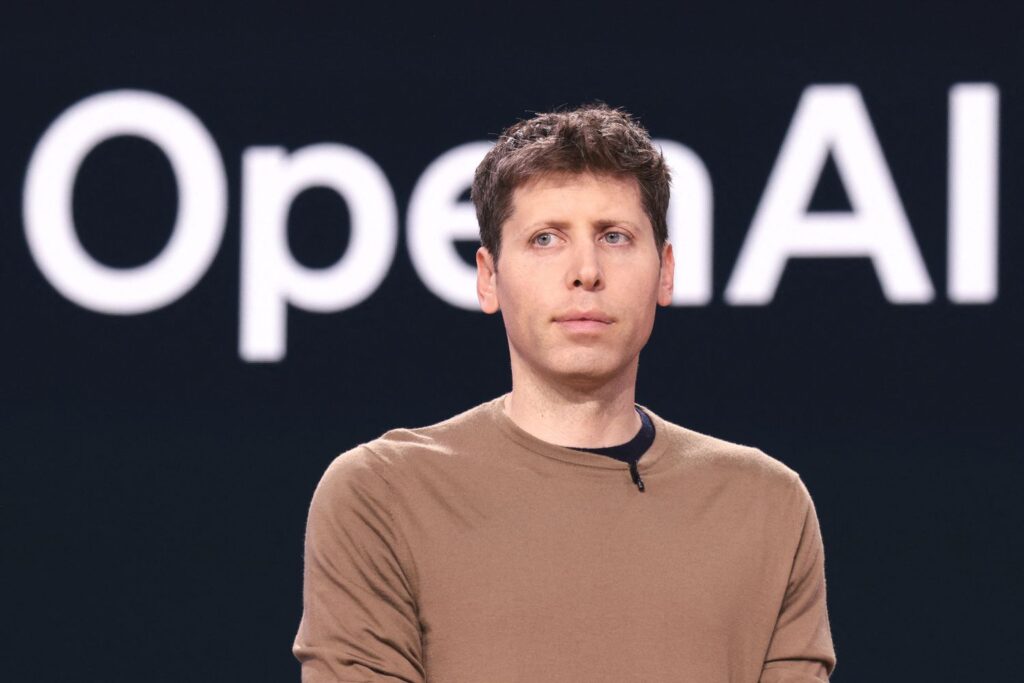
In a move tied directly to ongoing regulatory changes in the United Kingdom, has called for its chatbot, , to be eligible for inclusion on ’s proposed search choice screen. The request was made as part of a formal submission to UK regulators reviewing how Google presents search options to users, rather than as a standalone commercial push.
The search choice screen is being introduced under proposals from the aimed at increasing competition in the search market. The regulator is considering measures that would require Google to present users with alternative services during device or browser setup, giving them a clearer opportunity to select a preferred search provider instead of defaulting to Google.
In its submission, OpenAI argued that such choice screens should not be limited strictly to traditional search engines. Instead, it said the rules should apply to search functionality “however it is accessed,” a position that would allow AI-powered tools like ChatGPT to be considered alongside conventional options. The company’s stance reflects its view that AI systems capable of retrieving and presenting information should fall within the same competitive framework.
This intervention comes as the CMA examines Google’s position in the UK search market, where it handles the vast majority of general search queries. Regulators are seeking remedies that could open the market to greater competition, including requirements around default settings and user choice. OpenAI’s proposal aligns with that process, positioning AI-driven interfaces as part of the evolving search ecosystem rather than a separate category.
For Google, the discussion is part of a broader regulatory challenge. The company has already faced increasing scrutiny over how its services are prioritized and presented to users, particularly in regions pushing for more competitive digital markets. The inclusion of AI tools in a search choice screen would represent an expansion of what qualifies as a competing service, potentially complicating how such remedies are designed and implemented.
At the same time, Google continues to integrate artificial intelligence into its own search products, reflecting wider industry changes. The distinction between traditional search engines and AI-assisted tools has become less clear, a factor that appears to underpin OpenAI’s argument to regulators.
The CMA has not made a final decision on the structure or scope of the search choice screen, and it remains uncertain whether AI services will ultimately be included. The regulator is expected to weigh submissions from multiple stakeholders before finalizing its approach.
The outcome could influence how users in the UK encounter both search engines and AI tools at a fundamental level, particularly during initial device setup. More broadly, it highlights how regulators are beginning to address the role of emerging technologies within existing competition frameworks, as the definition of “search” itself continues to evolve.