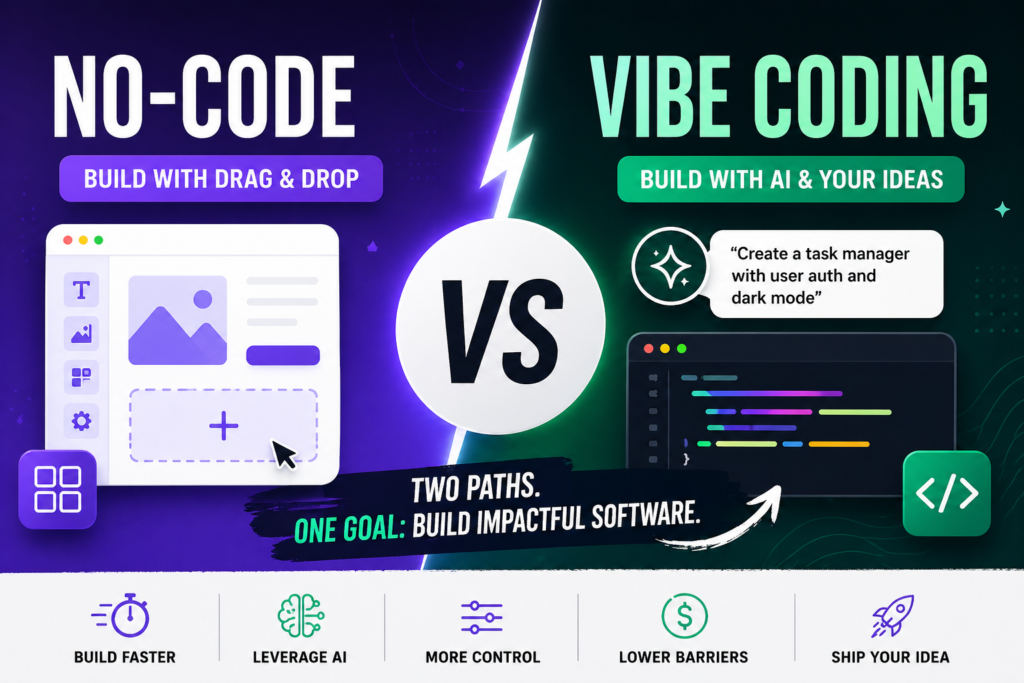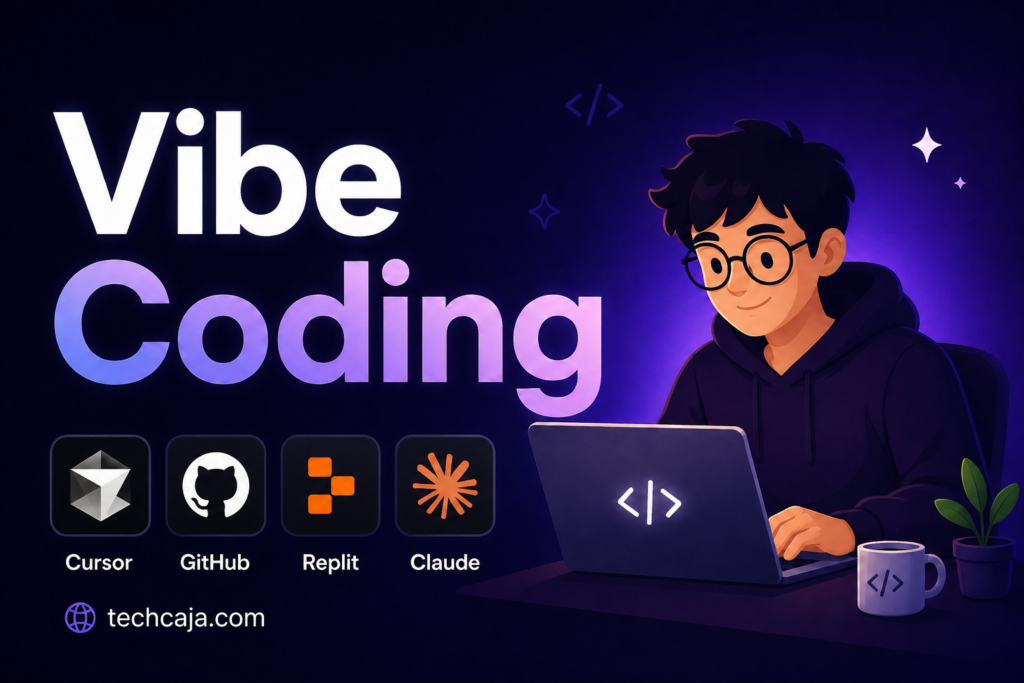
If you’ve spent any time in developer communities lately, you’ve probably heard the term “vibe coding” buzzing everywhere. Coined by Andrej Karpathy back in early 2025, vibe coding is the art of building software by describing what you want in natural language instead of writing every line of code yourself. You talk to AI, it generates the code, and you guide it like a creative partner—focusing on the vibe of the final product rather than syntax details.
A pro vibe coder takes this to the next level. These developers aren’t just experimenting on weekends; they’re shipping production-grade apps, internal tools, and even full SaaS products at lightning speed.
They combine deep product intuition, smart prompting, and disciplined workflows to turn ideas into reality faster than traditional coders ever could.
Whether you’re a seasoned engineer tired of boilerplate or a newcomer who wants to build without years of studying algorithms, becoming a pro vibe coder is one of the most valuable skills you can develop right now.
In this guide, we’ll walk through exactly how to do it—step by step—so you can join the ranks of professionals who treat AI as their ultimate pair programmer.
What Exactly Makes Someone a Pro Vibe Coder?
Traditional coding is about control: you write the logic, debug every edge case, and own every character. Vibe coding flips the script. You focus on outcomes—“Make this dashboard feel clean and modern, with real-time updates and a dark mode toggle that doesn’t look cheap”—and let AI handle the implementation.
Pro vibe coders stand out because they:
- Ship 5–10x faster than before
- Maintain high code quality instead of “vibe and pray”
- Understand when to trust AI and when to step in
- Treat prompting like a superpower, not a crutch
- Build real businesses or tools that users love
The best part? You don’t need to be a 10x engineer anymore. You need to be a great director.
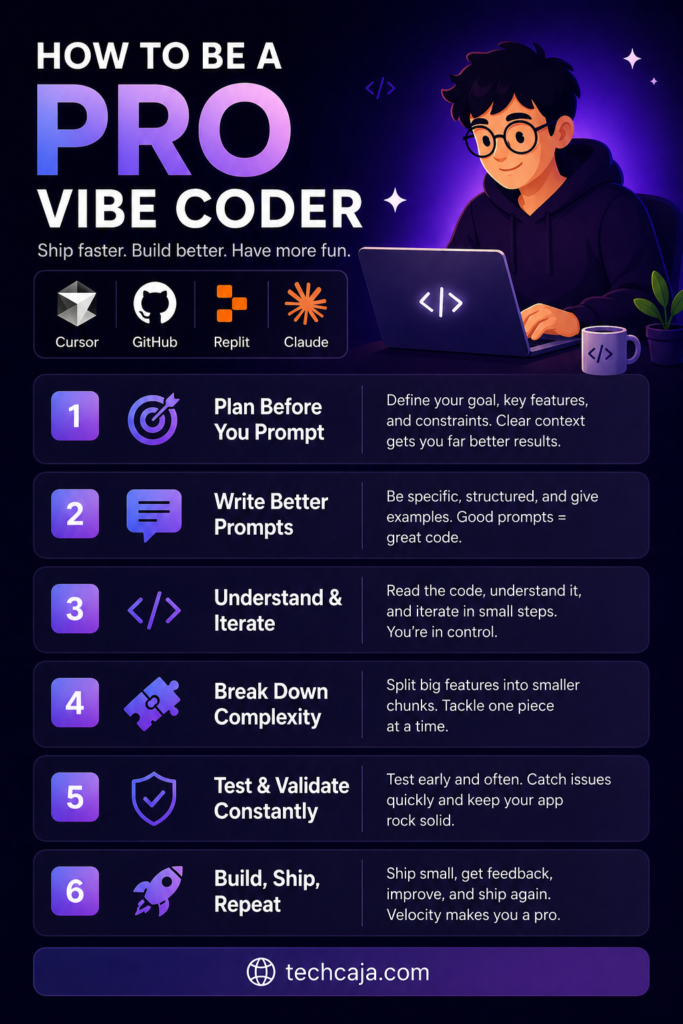
Step 1: Shift Your Mindset from Coder to Orchestrator
The biggest hurdle for most people is letting go of control. A pro vibe coder trusts the AI but never blindly accepts everything.
Start by adopting these core habits:
- Plan before you prompt. Spend 70% of your time thinking about architecture, user flow, and constraints. The AI excels at execution, not strategy.
- Think in outcomes, not implementation. Say “Build a habit tracker that feels motivating and gamified” instead of dictating React hooks or database schemas.
- Embrace iteration. Bugs aren’t failures—they’re conversation starters. Copy the error message and say, “This broke because of X—fix it while keeping Y intact.”
- Keep taste and judgment front and center. AI can write code, but you decide what feels premium.
This mindset shift alone will separate you from beginners who generate messy spaghetti code.
Step 2: Build (or Refresh) Your Technical Foundations
You don’t need to memorize every framework, but you do need enough knowledge to guide the AI intelligently.
Focus on:
- Core concepts: HTTP, databases, authentication, state management, and basic security
- Modern web fundamentals (React/Next.js, Tailwind, Supabase/Firebase, etc.)
- System design basics so you can review AI output for scalability
- Version control (Git) and deployment pipelines
Pro tip: Use vibe coding while learning. Prompt an AI to explain a concept with examples, then have it build a small demo. You’ll absorb faster because you’re actively building.
Step 3: Master the Art of Pro-Level Prompting
This is where the magic happens. Great prompts turn average AI output into production-ready features.
Key techniques pro vibe coders use:
- Context-first prompting: Give the AI your tech stack, project rules, and design system upfront (many tools let you save “rules” files).
- Constraint-driven instructions: “Use TypeScript, Zod for validation, shadcn/ui components, and make sure it’s mobile-first.”
- Example-driven refinement: Show the AI a screenshot or existing code snippet and say “Make this new page match this exact vibe.”
- Plan-then-execute: Ask the AI to create a detailed step-by-step plan first, review it, then approve implementation.
- Vertical slicing: Build one complete feature end-to-end (UI + backend + tests) instead of scattered changes.
Practice daily. Record your best prompts in a personal “prompt bible” and reuse them.
Step 4: Create a Repeatable Pro Workflow
Random prompting leads to chaos. Pros follow a structured process:
- Project setup – Start with a strong scaffold (monorepo, pre-configured auth, linting rules).
- PRD and plan – Write (or have AI help write) a short product requirements document and detailed implementation plan.
- Build in slices – One feature at a time, fully tested before moving on.
- Review and refine – Always run type checks, linting, and manual tests after each major change.
- Version control religiously – Commit often with clear messages so you can roll back if the vibe goes wrong.
- Deploy early and often – Get it in front of real users or teammates for feedback.
Many pros keep a running Markdown file with project rules, current architecture, and open questions that they reference in every chat.
Step 5: Learn to Debug and Iterate Like a Pro
Even the best AI hallucinates. When things break:
- Paste the exact error
- Describe the expected behavior
- Give context about recent changes
- Ask for multiple solution options
Advanced move: Use the “4×4 debugging framework” many pros swear by—try four small changes, test, repeat. Or spin up parallel prototypes when you’re stuck on a design decision.
Step 6: Ship Real Projects and Level Up
Theory only gets you so far. Start small and scale:
- Week 1–2: Clone a simple app (todo list, habit tracker)
- Week 3–4: Build something with a backend and database
- Month 2: Create a full-stack SaaS tool with auth, payments, and analytics
- Month 3+: Contribute to open source or freelance internal tools
Document your process publicly—it’s the fastest way to get noticed and land opportunities.
The Best Tools for Vibe Coding – Ranked for 2026 Pros
Once your mindset and workflow are solid, the right tools make everything smoother. Here’s my honest ranking of the top vibe coding platforms right now, based on speed, reliability, collaboration features, and real-world shipping power:
- Cursor – The undisputed king for professional vibe coders. Its Composer mode, rule files, and tight integration with Claude 3.5/4 models make it feel like having a senior dev pair-programming with you 24/7. Best for complex full-stack apps and long-term projects. If you only pick one tool, make it this.
- Replit Agent – Perfect for rapid prototyping and beginners transitioning to pro. The AI handles deployment, hosting, and even suggests features. Excellent for solo builders who want to ship live apps in minutes without managing infrastructure.
- GitHub Copilot (in VS Code or JetBrains) – Still excellent for those who prefer their familiar editor. Great for incremental vibe coding inside existing codebases. Slightly less “agentic” than Cursor but rock-solid for enterprise environments.
- Claude Code / Claude.dev – Outstanding reasoning and code quality, especially for backend logic or when you need deep explanations. Many pros keep it open in a separate window for heavy lifting.
- Google Gemini Code Assist + Antigravity – Strong contender for teams already in the Google ecosystem. Antigravity’s autonomous agents feel like the future—great for browser-based automation and multi-file refactors.
- Lovable and similar emerging platforms – Rising fast for no-code-to-code transitions. Ideal if you want even less friction but still need pro-level customization.
Choose based on your needs: Cursor for power users, Replit for speed-to-launch, Copilot for familiarity. Most pros use 2–3 tools in combination.
Common Pitfalls to Avoid
- Over-relying on AI without reviewing architecture (leads to technical debt)
- Ignoring testing and security
- Vague prompts that produce mediocre results
- Skipping version control (you will regret it)
- Treating vibe coding as “set it and forget it”
Stay disciplined and the results will blow you away.
Ready to Become a Pro Vibe Coder?
The barrier to entry has never been lower, but the ceiling is higher than ever. Start today: install Cursor or Replit, pick a tiny project, and just describe the vibe. In a few weeks you’ll be building things that used to take months.
The future belongs to developers who combine human taste, strategic thinking, and AI execution. Pro vibe coders aren’t replacing traditional engineers—they’re the evolved version who ship faster, think bigger, and create more value.
What are you waiting for? Open your editor, start a new chat, and tell the AI: “Let’s build something awesome.”
Drop your first vibe-coded project in the comments—I’d love to see what you create.